Photos: Luring Good Fortune at Grand Prairie’s Asia Times Square
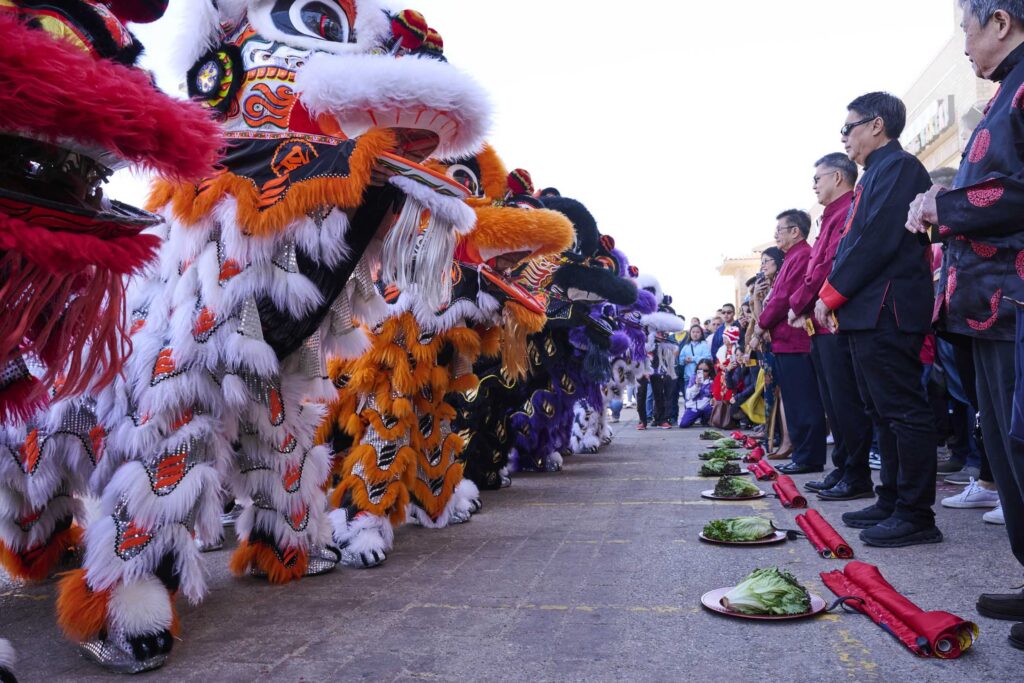
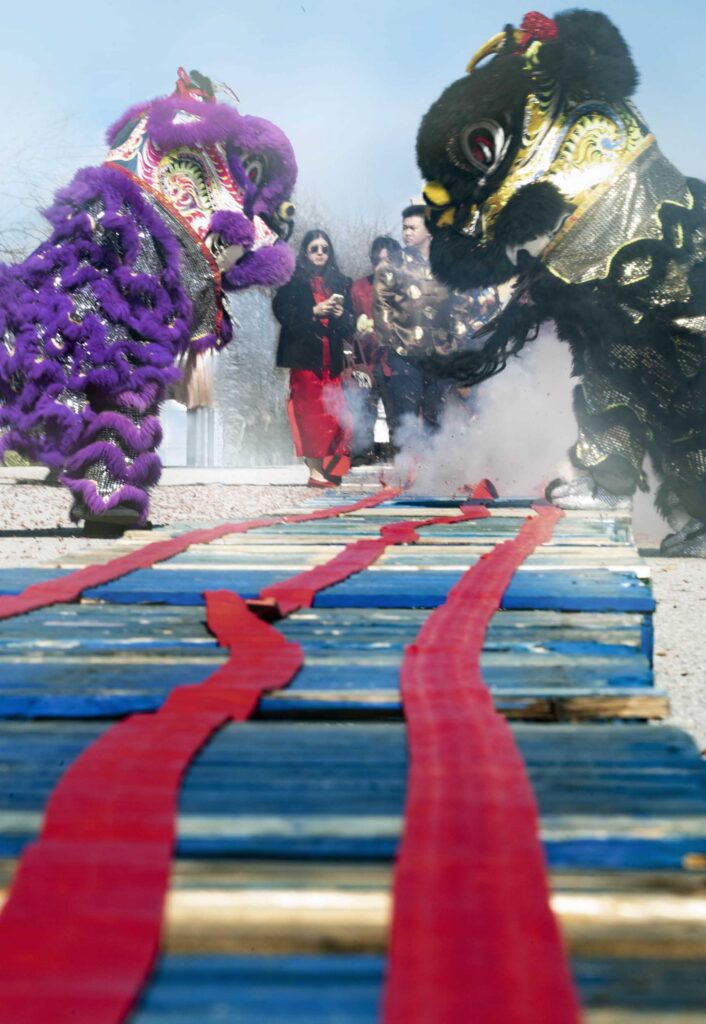
Before lighting the long rows of firecrackers, members of the Loh family stand before the crowd gathered in the Grand Prairie parking lot of Asia Times Square, one of the state’s largest Asian markets, for the final weekend of the market’s Lunar New Year festival. The Loh men wear suits, and the women don cheongsam dresses with furs slung over their shoulders. Steve, the president of Hong Kong Market Place and one of six Loh siblings, greets the crowd, first speaking in Vietnamese, followed by Chinese, then hands the mic to his youngest brother, the CEO of Asia Times Square. Matthew speaks in English, or rather, Texan. “Happy New Year, y’all!” he calls out.
The Loh family journey, like many immigrant experiences, is a winding river. The patriarch, Grant, left China as a young teen and ended up in Vietnam, where he eventually opened a successful bakery while raising a family. Yet after the fall of Vietnam, Grant and his wife sought a better life for their kids and left by boat for the shores of Bidong Island off Malaysia, which was designated by the United States as a refugee camp. For nine months, they lived in a makeshift shelter, running to supply boats for food each day, until a couple with an American church sponsored their immigration to the States.
Hardship did not end on American soil. The family crisscrossed the country looking for work before settling in Wichita, Kansas. Grant and his elder sons took any opportunities they could find for non-English speakers—working at a dry cleaners, busing tables, or making and selling baked goods. They spent several years making ends meet with the help of federal programs. “The proudest moments in my family: No. 1, getting the U.S. citizenship was a dream come true for us,” Matthew says. “The next proudest moment was no longer relying on government assistance.”
America, he believes, is the greatest country in the world. “We had nothing, but we came here looking for opportunity. Now, is America perfect? No. But what they do have is the opportunity for you to improve your quality of life. The chance of truly achieving the American dream is there.” But, Matthew adds, it’s not a given. “You have to work your butt off.”
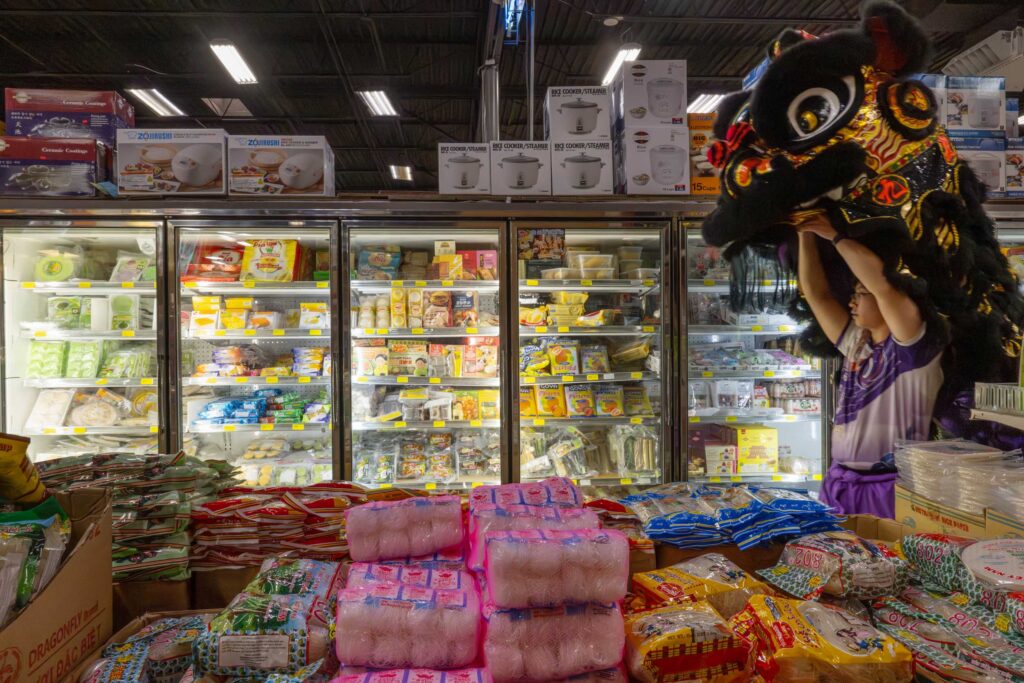
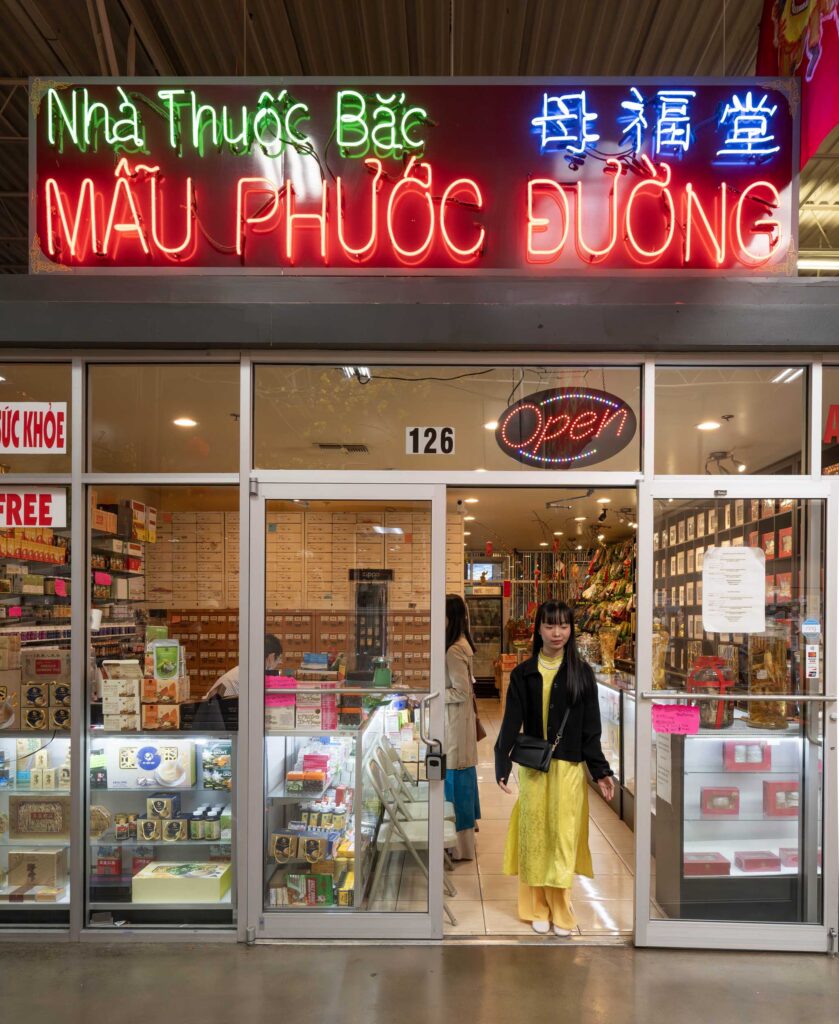
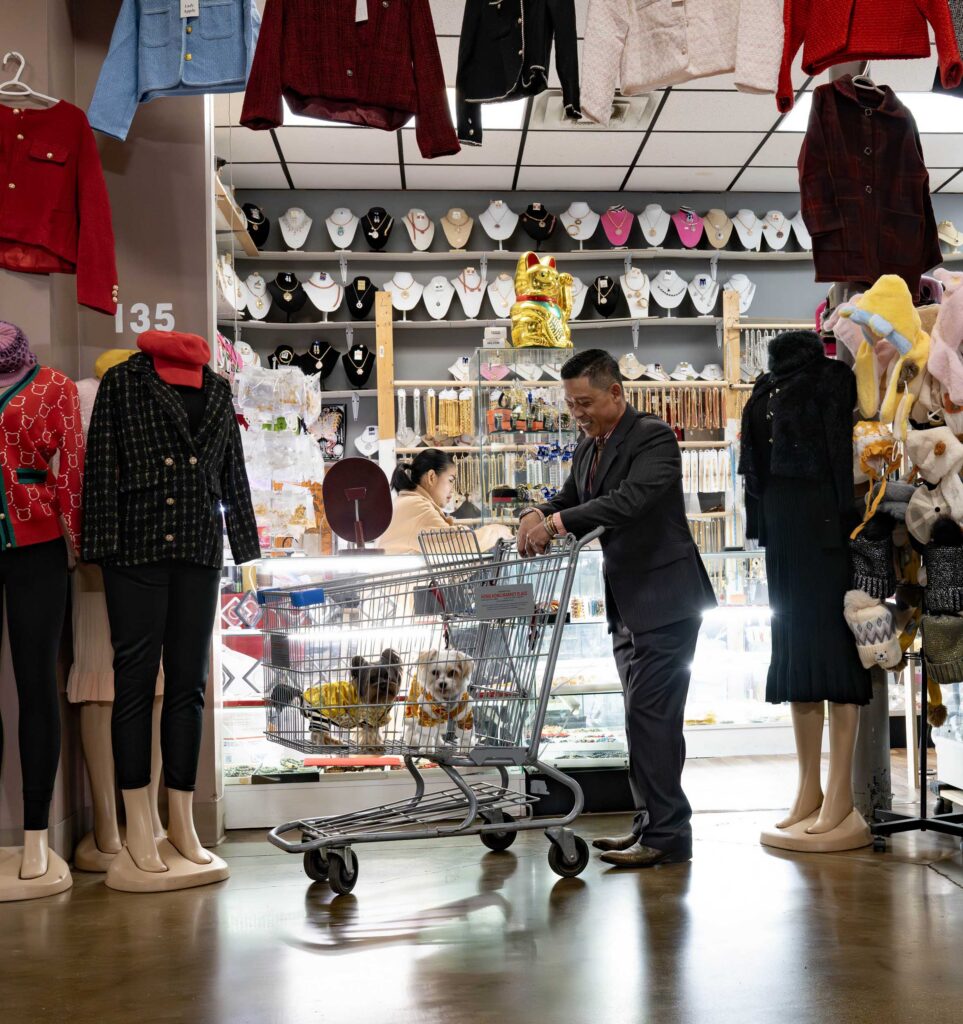
The Lohs worked and worked, and then, in 1985, while visiting a friend in North Texas, one of the brothers met the owners of an Asian market who were looking to sell. The Loh family now runs the Hong Kong Market on Walnut Street in Dallas as well as Asia Times Square, the large Grand Prairie development housed in a former Sam’s Club and Walmart. Asia Times Square includes seemingly everything: mortgage lenders, Ping-Pong tables, a claw machine arcade, acupuncturists, a hair salon, and a Laotian clothing boutique, not to mention restaurants serving a range of Asian cuisines, including Mongolian hot pot, Filipino pancit, and mochi donuts.
As a community hub, the market holds Asian events throughout the year to both preserve culture for American-born Asians and give Asian-born seniors who are unable to travel a taste of home. Because Matthew Loh arrived stateside as a young boy, he has no childhood memories of the kinds of celebrations he now hosts. The market’s largest annual celebration is Lunar New Year, with festivities that run for three weekends.
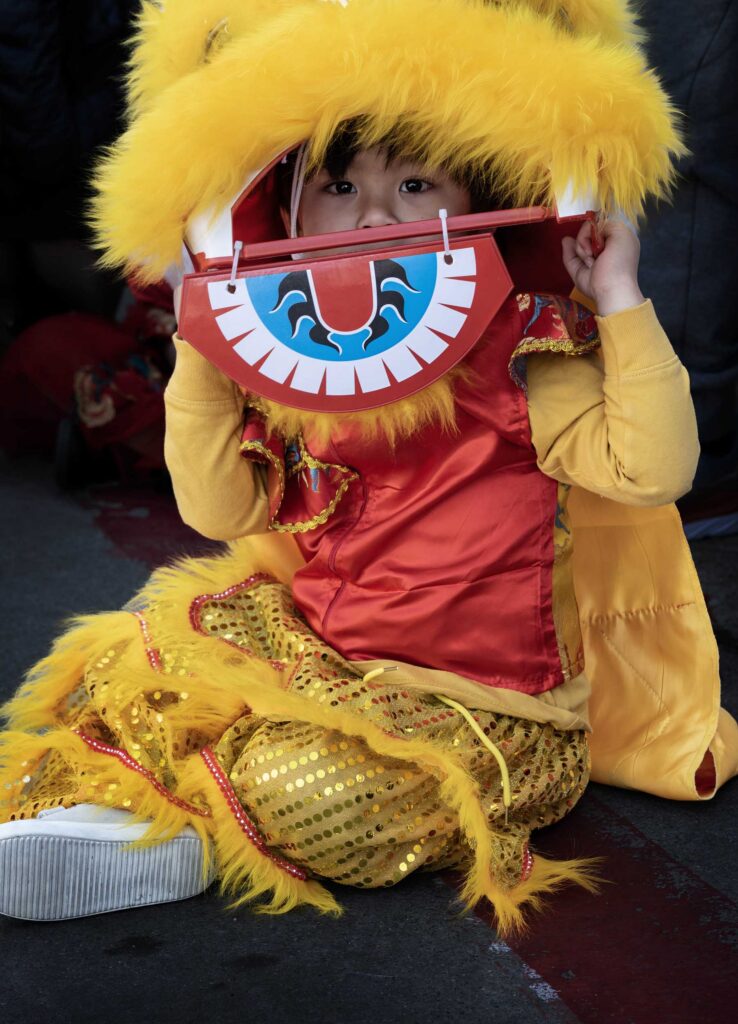
The final weekend at Asia Times Square is filled with the ancient art of lion dancing. This Saturday show is one of almost 60 that the nonprofit group Jiu Long performs around North Texas during the Chinese New Year season. It’s a youthful endeavor; like elite athletes, lion dancers rarely continue past the age of 30.
Lions are comprised of two performers. The tail player dances hunched over and then lifts the head player onto his shoulders, relying on muscle memory and the beat of the Chinese drums to stay in sync. The head of the lion is tasked with puppeteering, using pulleys to adjust the lion’s ears and eyes to convey such emotions as mischief and sorrow.
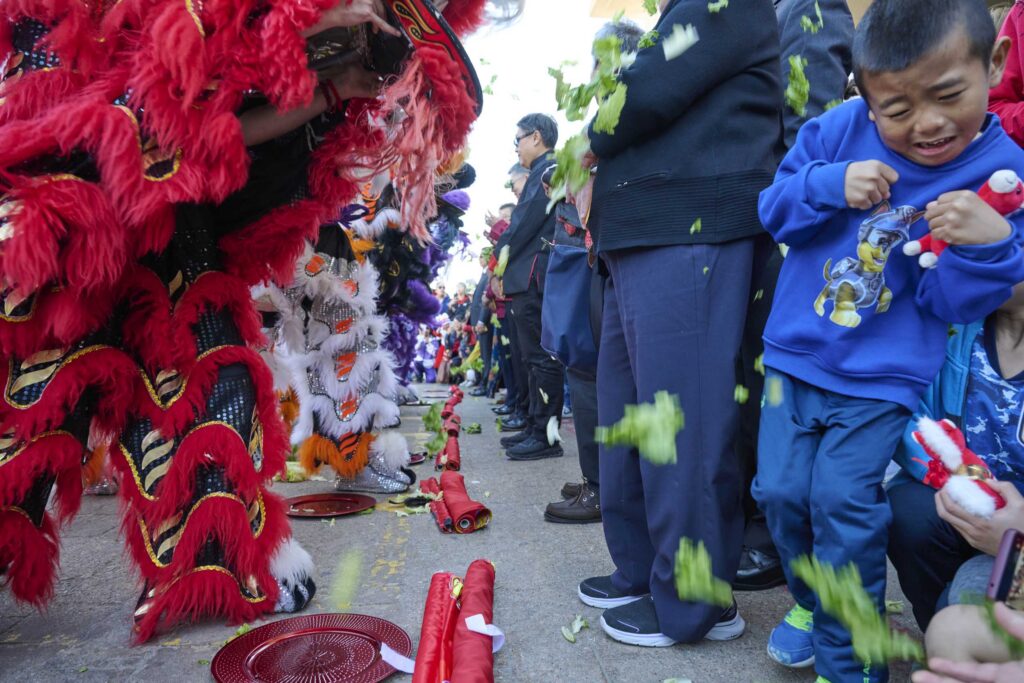
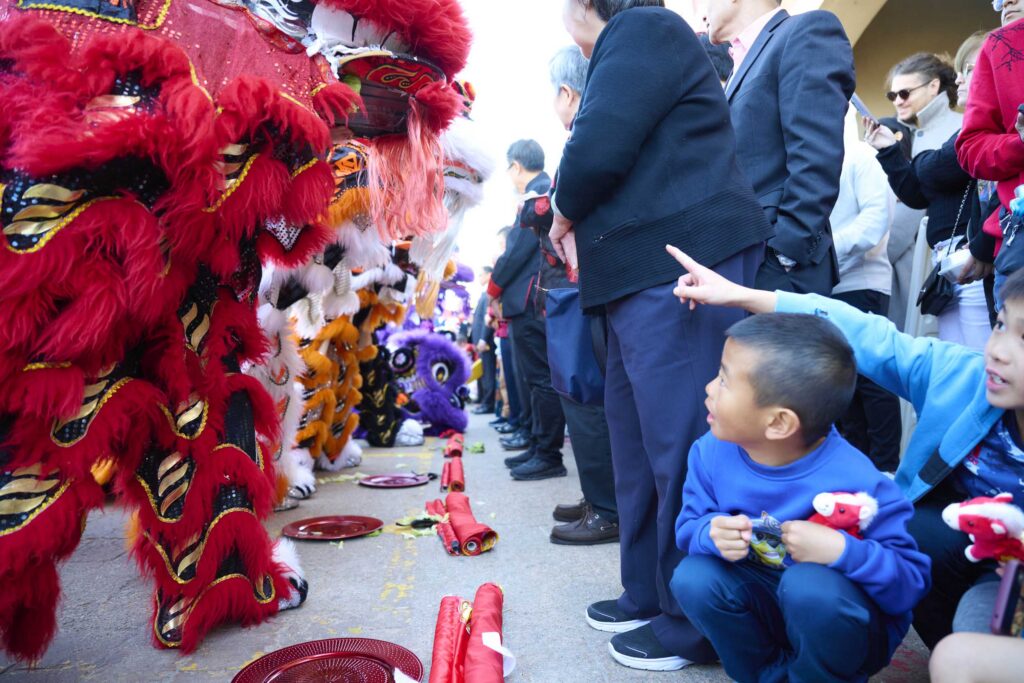
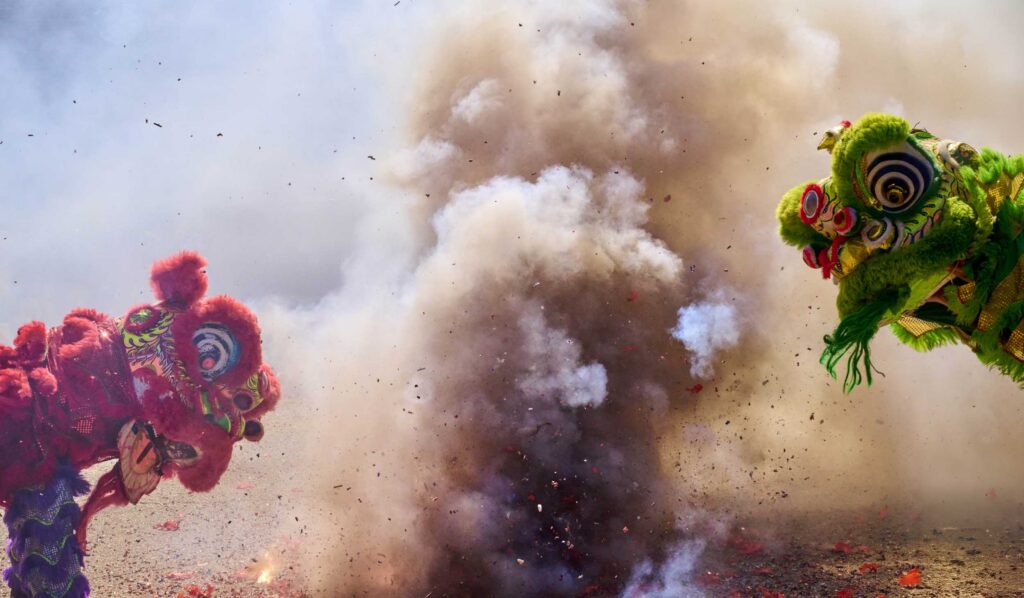
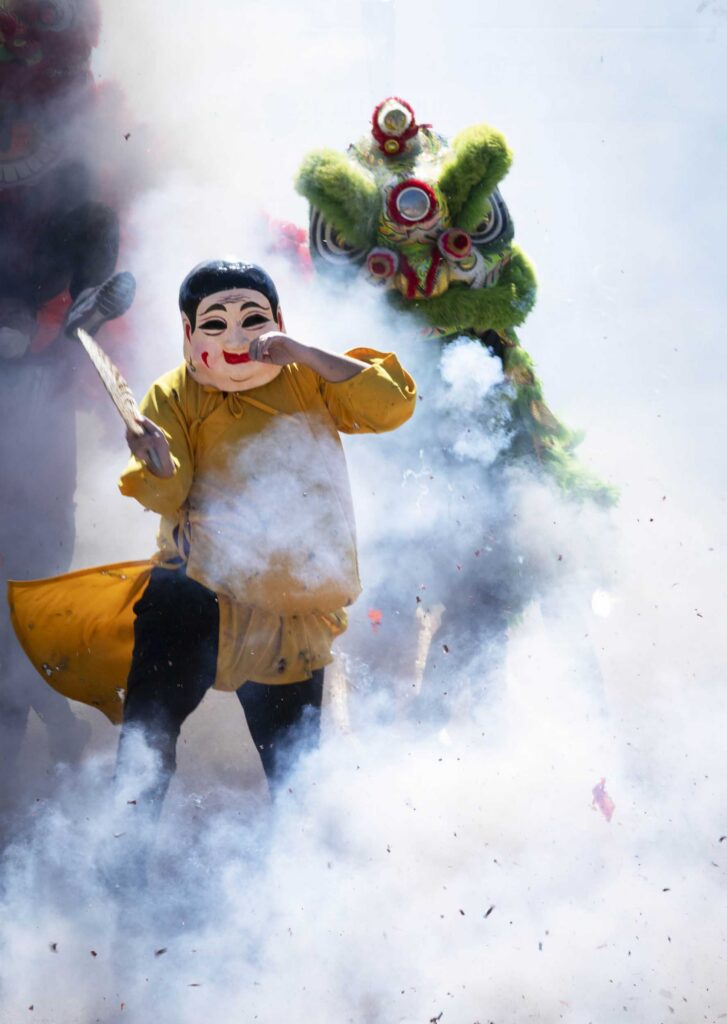
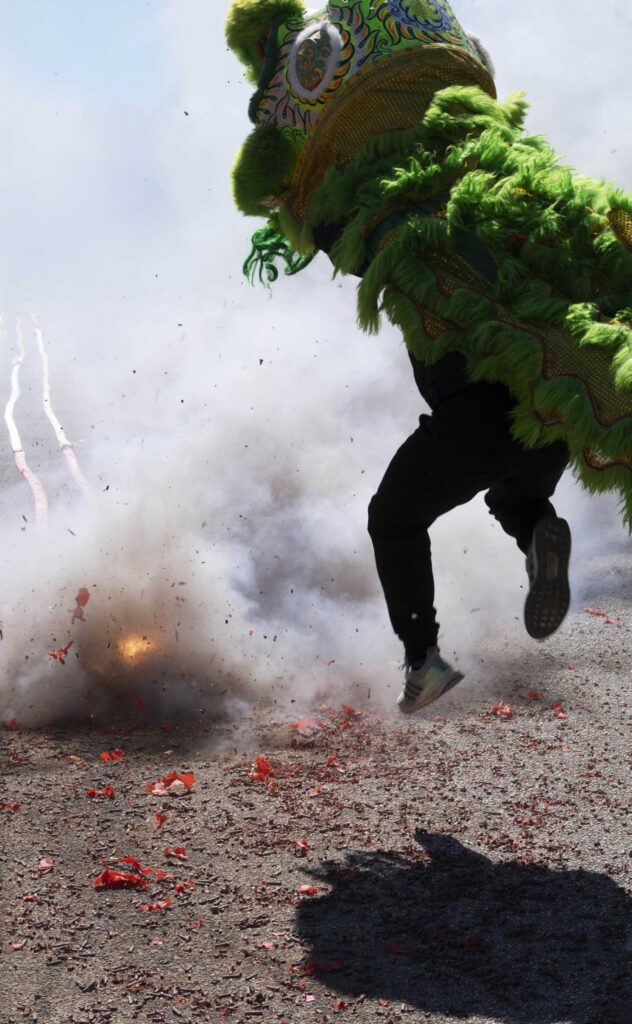
The Jiu Long group begins with a routine in which two lions get drunk; for another, the lions climb onto platforms, as if climbing a mountain. In their final act, the lions line up in front of plates of green lettuce. The Loh family lines up to face the lions. The lions bend and “chew” the leaves, then “spit” the green shreds—representing money—into the faces of the family for good fortune. As firecrackers pop, warding off evil spirits with their sound, the lions hop around the tiny explosions, then continue their act of blessings, dancing and drumming through all corners of the marketplace.
The crowd gathered for the day’s event is notably diverse. An elderly White woman sits on a stool, working on a watercolor-and-ink sketch of the dancers. A Black dad films the entire performance on his iPhone. A Persian family sips boba teas while watching. Kids of all backgrounds hold red envelopes stuffed with dollar bills and feed them into the lions’ mouths.
This scene fills Matthew’s heart with pride. “The coolest thing is when I see a White lady wear a Vietnamese traditional outfit or a Black guy wearing a Chinese outfit,” he says, swatting away talk of cultural appropriation. “That’s the beauty of humanity, if you ask me. We want to get to know each other, right? At the end of the day, we all love to eat, sing, dance, and have a drink.”