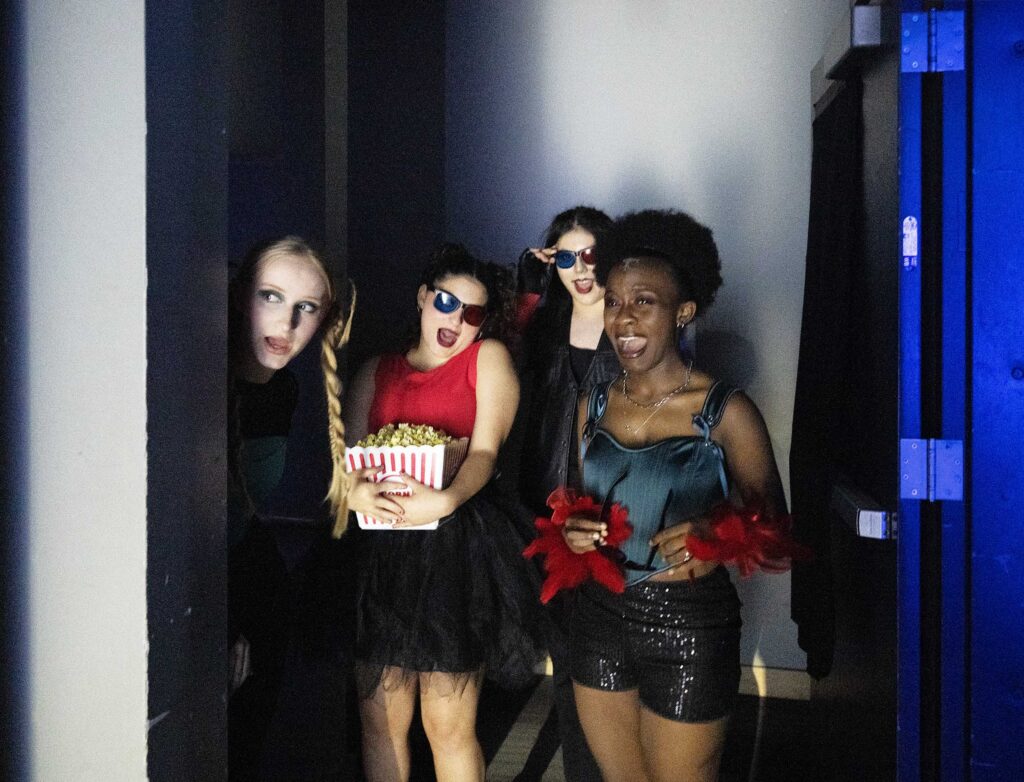
Rituals: Waiting in the Wings at Booker T.
Graham Johnson, Booker T. class of ’27, is a slight young man who dances like he’s made of liquid. At the annual Flyinghorse festival in April, the triple-threat appeared in not one, not two, but five of the evening’s acts, such a wealth of stage time that the 2026 event was jokingly dubbed Flyinggraham, logistical hurdles be damned.
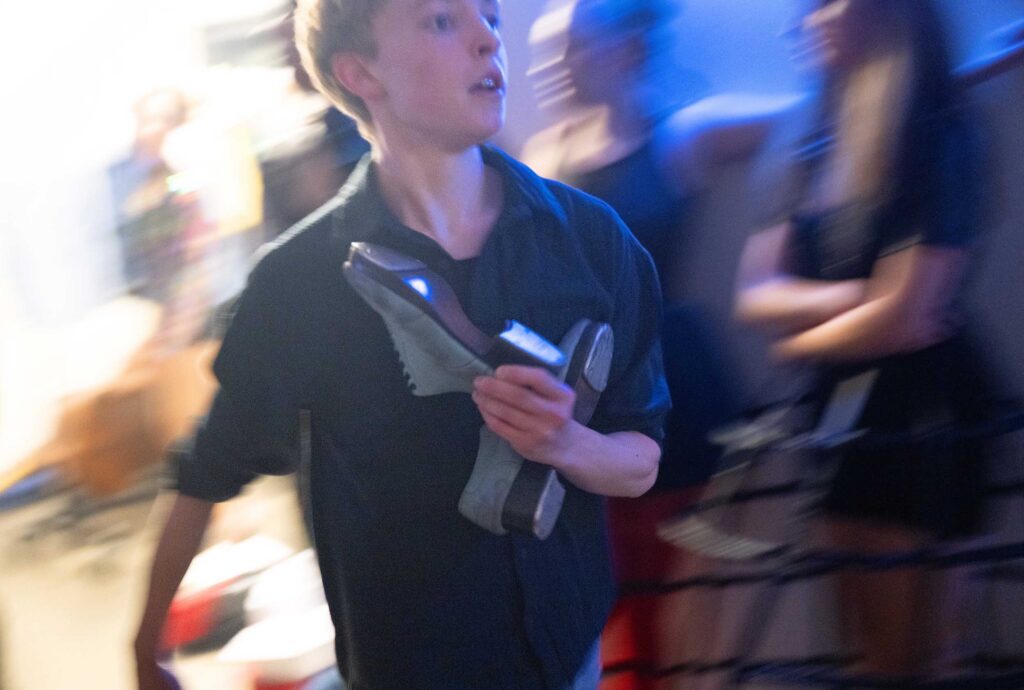
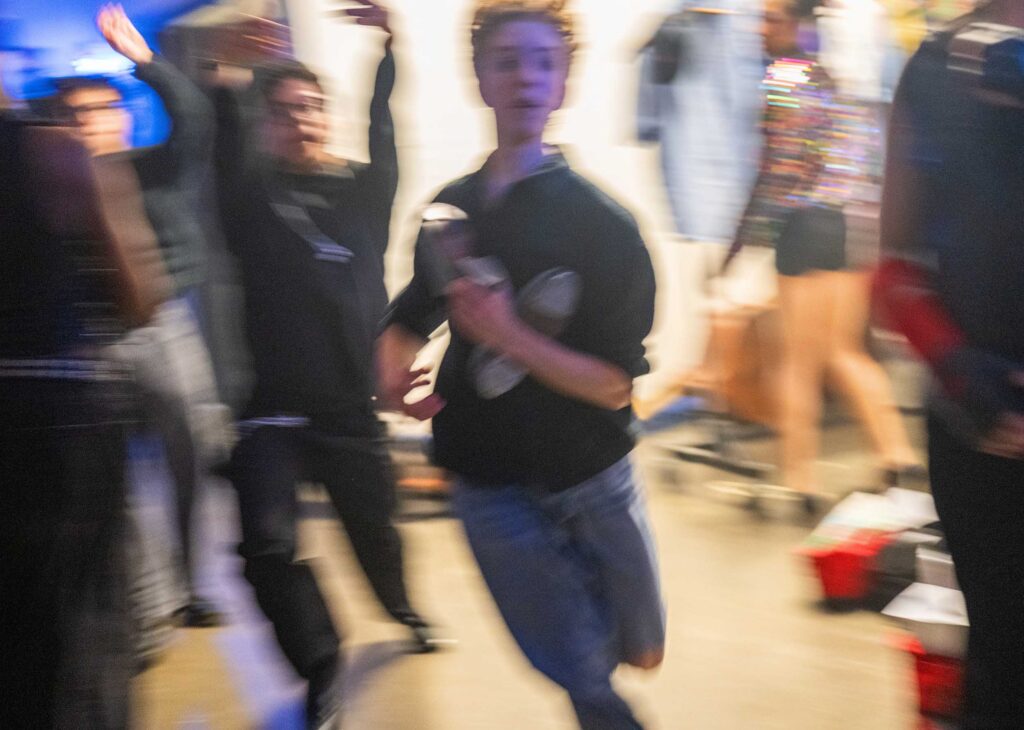
After a tap dance with a percussion band, Johnson took a bow and sprinted from stage left, peeling around the backstage corner with tap shoes clutched to his chest.
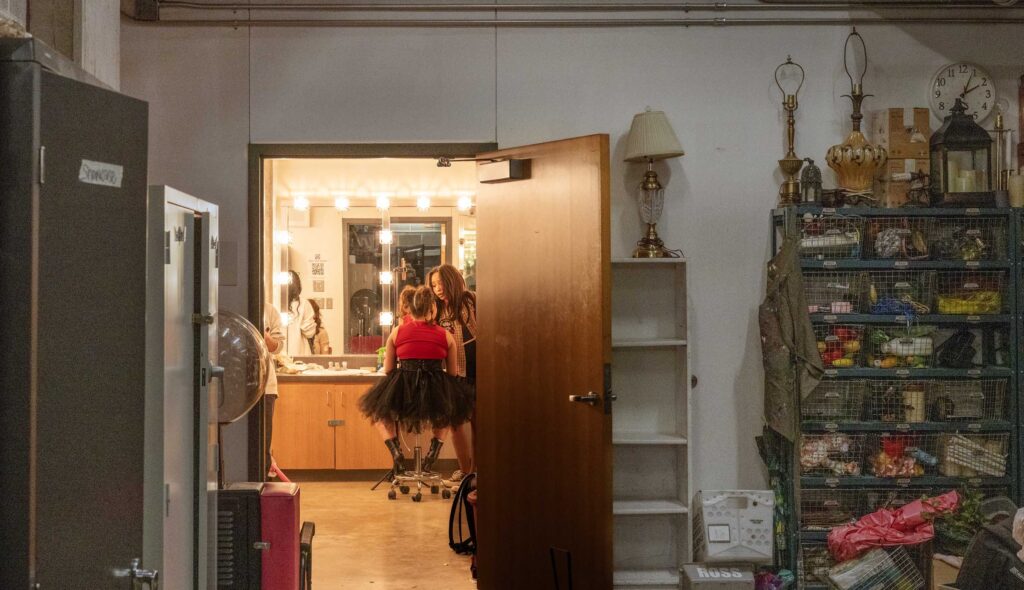
In the crossover, a team of three was waiting and changed him into a sheer top, black pants, and dance shoes, then sat him on the ground to paint his face Pierre La Roche-style for the “Time Warp” number from The Rocky Horror Show. As anyone who’s experienced high school theater knows, keeping the drama on the stage is an impossible ask.
Of course, Booker T. Washington is not the average high school experience. The campus opened in 1922 as Dallas’ first high school for Black students. In 1976, the school transformed into an arts magnet following the court-ordered desegregation of Dallas ISD. In its 50 years, the Booker T. Washington High School for the Performing and Visual Arts has trained a startling amount of talent: Erykah Badu, Norah Jones, jazz trumpeter Roy Hargrove, Edie Brickell plus four-fifths of the New Bohemians—the list goes on (and on and on).
The annual Flyinghorse fundraiser started back in 2011 after Lisa Lawrence Walker was tapped to lead the Advisory Board as executive director. Upon arrival, she found that the board had mere months of operating cash. Walker, armed with an MFA in directing and a career at the Dallas Theater Center, did not have the business savvy of, say, an MBA, but she sure as hell knew how to put on a show.
The first few years of the fundraiser were headlined by Dallas-based greats—Badu, the Polyphonic Spree—but patrons kept asking, “Where are the kids?” Flyinghorse is now student-driven. The April show involved 275 kids, a tally buttressed by the 122-piece orchestra playing Gustav Holst’s “Mars, the Bringer of War.”
The audience has become a who’s who of Dallas creatives, and the host committee includes such names as Nowitzki. The evening brings in nearly half a million dollars to pay for tools of the trade such as violins, plus private lessons and travel for college auditions, all benefiting kids who couldn’t otherwise afford such opportunities. “Some of these kids, they’ve never gotten on an airplane before,” Walker says.
She hopes a filmmaker will make a documentary at Booker T. to not only capture the talent but also the spirit. “These students are the people we want running our governments, churches, hospitals, and schools because they’re inclusive. They’re empathetic. They’re creative. They’re innovators. They’re just a microcosm of what the world needs. And I get to see it every day. I see it in rehearsal. I see it at lunchtime. It’s very life-affirming when you’re thinking, Oh my god, the world’s going to hell in a handbasket. Then you come here, and you’re like, OK, maybe we’ll be all right, because these kids are all right.”
Booker T. has stats unlike any other public high school in the city. It matriculates 95 percent of its cohort and graduates 100 percent, a number that even beats Highland Park. In 2025, Booker T. grads were offered a cumulative $40 million in scholarship offers. “That’s not sports money,” Walker points out. “That’s all literally artists, which is crazy.”
One of those scholarship winners was Michael Garcia of the “Juilliard Five”—five male Booker T. class of ’17 dancers who were invited into the legendary program, which only accepts about 12 male dancers each year. Just hours before the April Flyinghorse curtain, Garcia flew to Dallas to perform a solo contemporary dance he had choreographed to Nina Simone’s “Stars.” Before he took the stage, a video played for the audience that traced Garcia’s journey, from his rough upbringing with a single parent who wasn’t always around to his current career in Vancouver with the acclaimed Ballet BC. “Those hallways, those studios, held me,” Garcia said in the video about Booker T. “They were my home. That place, even to this day, will be where I felt safest.”
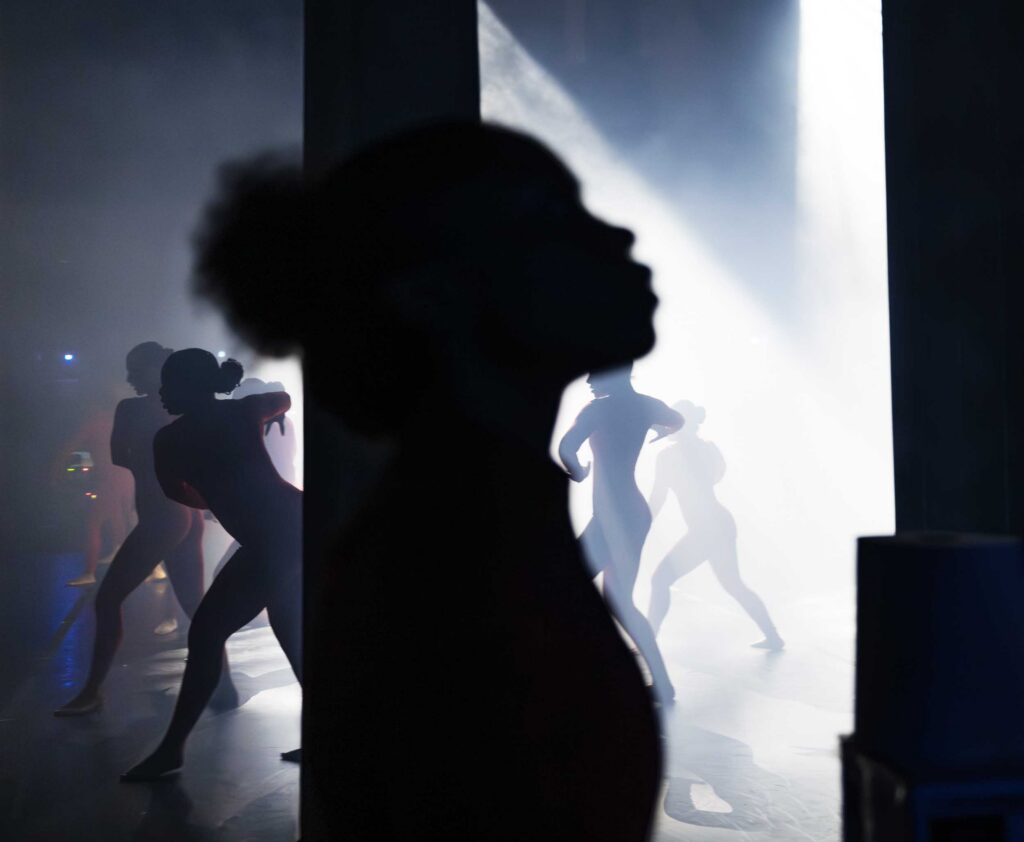
As he waited in the wings, listening to himself over the speakers, Garcia covered his face with his hands, then walked into the spotlight with tears still streaming.